


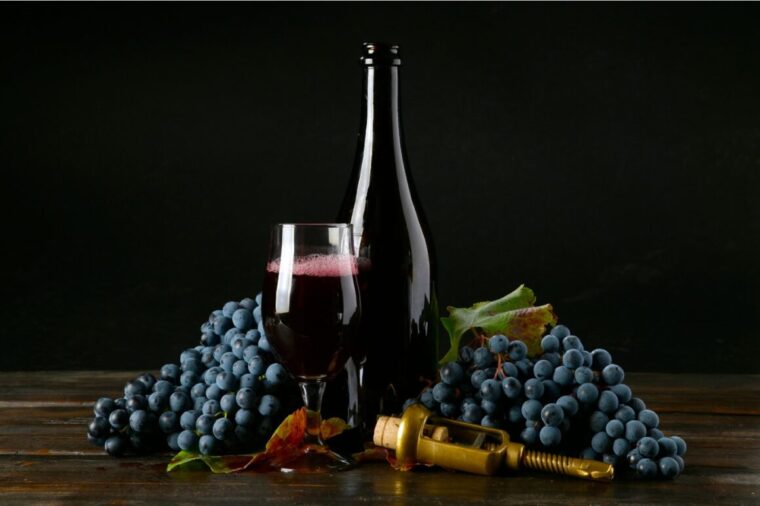
From rural family tables to contemporary restaurants, its lively bubbles and straightforward character make it the wine that best embodies the gastronomic soul of Emilia. Here is its history, characteristics, and best food pairings
For many years, Lambrusco was considered merely a simple, popular, everyday wine. Over time, however, it has earned increasing respect thanks to the work of producers who prioritized quality, successfully bringing its territorial identity, historic grape varieties, and gastronomic potential to the fore.
Sparkling, fresh, and immediate, yet far from ordinary, Lambrusco is one of the Italian wines most deeply tied to the local cuisine. In Emilia, it has always accompanied cured meats, stuffed pasta, boiled meats, and rich traditional dishes, becoming an integral part of the region’s convivial culture.
Behind its vibrant color and apparent simplicity lies an ancient history spanning centuries of agriculture, trade, and rural life.
The Origins of Lambrusco
The roots of Lambrusco are incredibly old. Some scholars trace the presence of wild “lambrusche” vines in the Po Valley back to the Etruscan, and Roman eras. The name is believed to derive from the Latin labrusca, a term used to indicate wild vines that grew spontaneously at the edges of fields.
Over the centuries, Lambrusco evolved into one of the most representative wines of Emilia, particularly within the provinces of Modena, Reggio Emilia, and Parma.
For generations, it served as the staple wine for rural farming families: easy-drinking, naturally vibrant, and perfectly suited for the region’s hearty cuisine. Its natural re-fermentation made it stable and ideal for daily consumption.
Between the 1960s and 1980s, Lambrusco experienced a massive international boom, especially in the United States, becoming one of the most exported Italian wines globally. However, that industrial-scale production contributed to an oversimplified perception of the wine, which became widely associated with overly sweet versions that lacked territorial identity.
In recent decades, numerous producers have initiated a major quality revival, refocusing their efforts on preserving indigenous grapes, implementing precise vinification techniques, and honoring the wine’s territorial identity.
The Main Varieties and the Different Types of Lambrusco
Speaking of Lambrusco in the singular is reductive. The name actually identifies a large family of indigenous Emilian grape varieties grown primarily between Modena, Reggio Emilia, and Parma. Each variety possesses distinct characteristics and yields wines with vastly different personalities.
Among the best known is Lambrusco di Sorbara, grown in the Modenese plains between the Secchia and Panaro rivers. It is one of the most elegant and recognizable expressions: lighter in color, featuring floral aromas, notes of small red berries, and a sharp acidity that makes it particularly food-friendly. It traditionally accompanies mortadella, cured meats, and Emilian fried specialties.
Conversely, Lambrusco Grasparossa di Castelvetro, cultivated in the hilly areas of the Modena province, offers darker, more structured, and tannic wines, with intense aromas of blackberry and ripe cherry. It is arguably the most full-bodied Lambrusco and pairs well with grilled meats, bollito misto (boiled meats), and rich Emilian dishes.
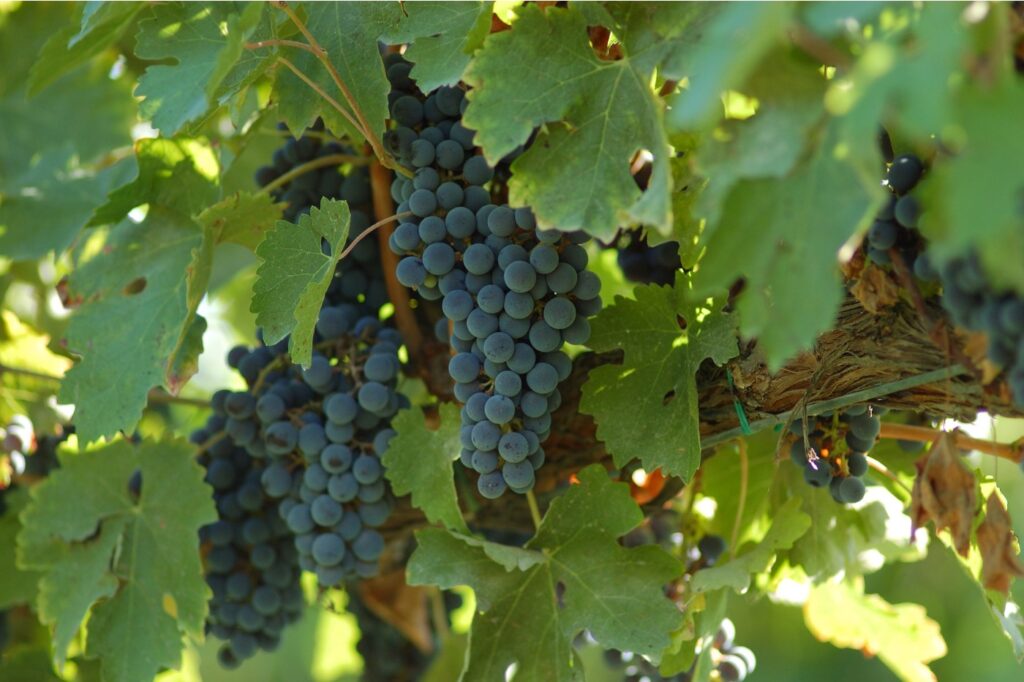
Also widely appreciated is Lambrusco Salamino di Santa Croce, named after the cylindrical shape of its grape clusters resembling salami. It produces balanced, soft and versatile wines, often characterized by freshness and easy drinkability.
Alongside these main varieties, there are other historical grapes like Lambrusco Maestri, Marani, Montericco, and Viadanese, used in specific appellations or blends to impart structure, color, or aromatic complexity.
Today, Lambrusco is produced in various styles: frizzante (lightly sparkling), spumante (fully sparkling), bottle-refermented, rosé, and even Metodo Classico (traditional method). This range of interpretations demonstrates how a wine often deemed simple can, in fact, express remarkable territorial and stylistic complexity.
Characteristics of Lambrusco
Lambrusco is generally a frizzante or spumante wine, fresh and with a lively acidity. It is characterized by aromas of red berries, violet, and cherry, with moderate tannins and a food-friendly nature. It is produced in secco (dry), abboccato (off-dry), or amabile (semi-sweet) versions, both in red and rosé expressions.
One of its most interesting qualities is its ability to cleanse the palate thanks to its acidity and effervescence, which is why it pairs perfectly with traditional Emilian cuisine, often rich in fats and savory flavors.
Lambrusco and Emilian Cuisine: The Best Pairings
Few Italian wines share such a natural bond with their regional gastronomy as Lambrusco. Classic pairings include the iconic dishes of Emilian cuisine, ranging from mortadella and cured meats to tortellini, lasagna, and tagliatelle with ragù. It is also an excellent match for bolliti misti (assorted boiled meats), zampone, cotechino, and Parmigiano Reggiano.
The fresher, high-toned Lambrusco di Sorbara pairs magnificently with mortadella, fried specialties, and soft cheeses. Whereas the more full-bodied Grasparossa ideally accompanies grilled meats, game, and rich, intense dishes.
The rosé or lighter expressions may be pleasantly surprising when paired with Asian cuisine, street food, and contemporary aperitifs.
Lambrusco Today
In recent years, Lambrusco has undergone a genuine critical reappraisal. Many high-end restaurants have begun incorporating it back on their wine lists, while a new generation of winemakers is experimenting with increasingly meticulous production methods.
International audiences are looking with growing interest at identity-driven, terroir-focused and food-friendly wines – and lambrusco possesses all of these attributes. Its strength probably lies in never having lost its link with conviviality. It remains a wine that invites people to a shared table, to the osterie, to charcuterie platters, and to Sunday family lunches.
Far more than a simple sparkling wine, Lambrusco continues to represent an authentic piece of Emilian culture.