
Mortadella Bologna: The “Pink Queen” and its Irresistible Appeal
The History, craft and allure of one of Emilia-Romagna’s culinary icon
In Bologna, the local cuisine is characterized by aromas that linger in the memory longer than images.
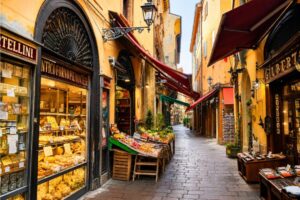
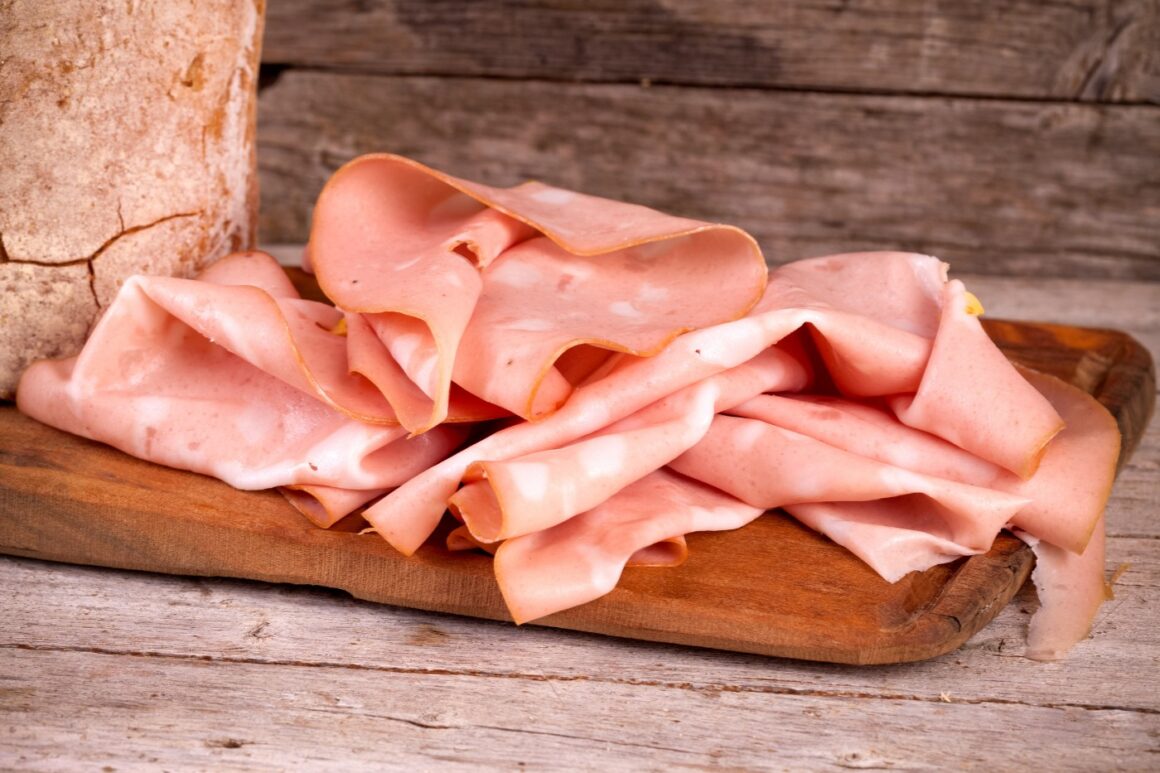
One of these is the scent of freshly sliced Mortadella in the city’s historic food shops, cut so thin it’s almost translucent. Its aroma is so delicate and lightly spiced that, together with its unmistakable pink hue, makes you want to reach out and taste it right then and there.
For many foreign visitors, it is a surprising discovery. They arrive with a generic idea of “mortadella,” often associated with industrial products, but when they taste the original version, they immediately realize it is an entirely different story.
A Cured Meat Born Before the Middle Ages
Mortadella is neither a recent invention nor a product of popular cuisine as we typically imagine it. Its origins date back to Ancient Rome, when pork was already being finely processed in mortars – from which, most likely, its name derives.
But it was in the Middle Ages that Bologna turned it into a symbol. The city, wealthy and well-organized, regulated its food trade with precision. In 1661, the Bolognese Senate established specific rules for the production of mortadella, a sort of early quality control standards that show how important, high-quality, and recognizable this product already was back then.
How Mortadella di Bologna Is Made
The difference between authentic mortadella and any imitation becomes clear from the very first bite, but its distinctive qualities actually take shape much earlier, that is, during the production process itself.
The pork meat is processed until it becomes an extremely fine, almost creamy mass. It is not a simple grinding; it’s an emulsion that requires precision and careful temperature control. To this base are added cubes of pork fat (lardelli), clearly visible in the slice, and a carefully balanced blend of spices.
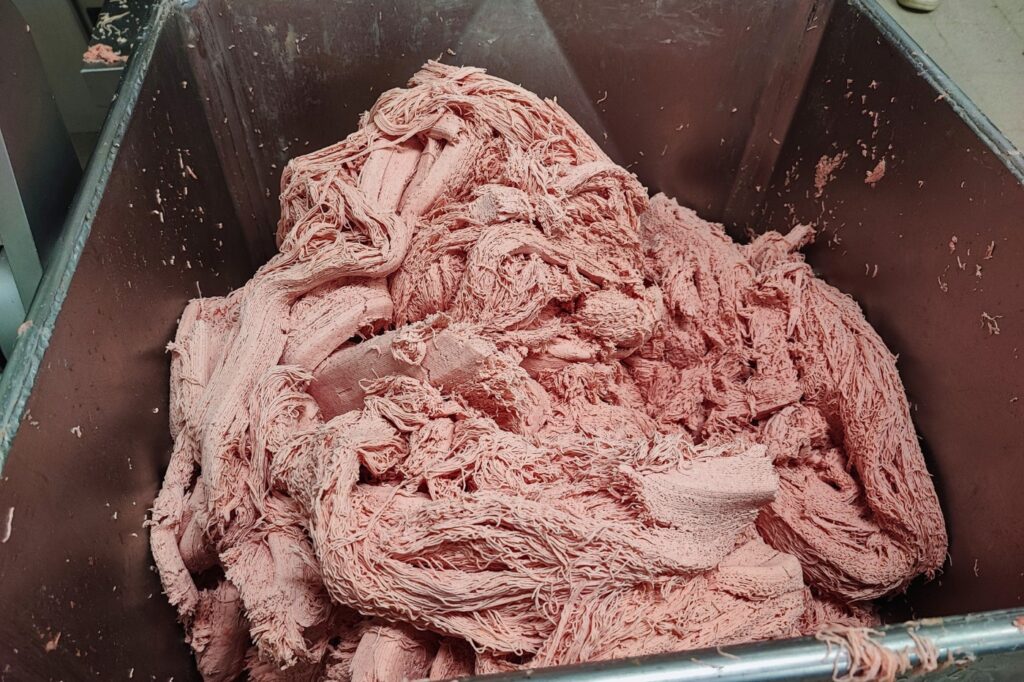
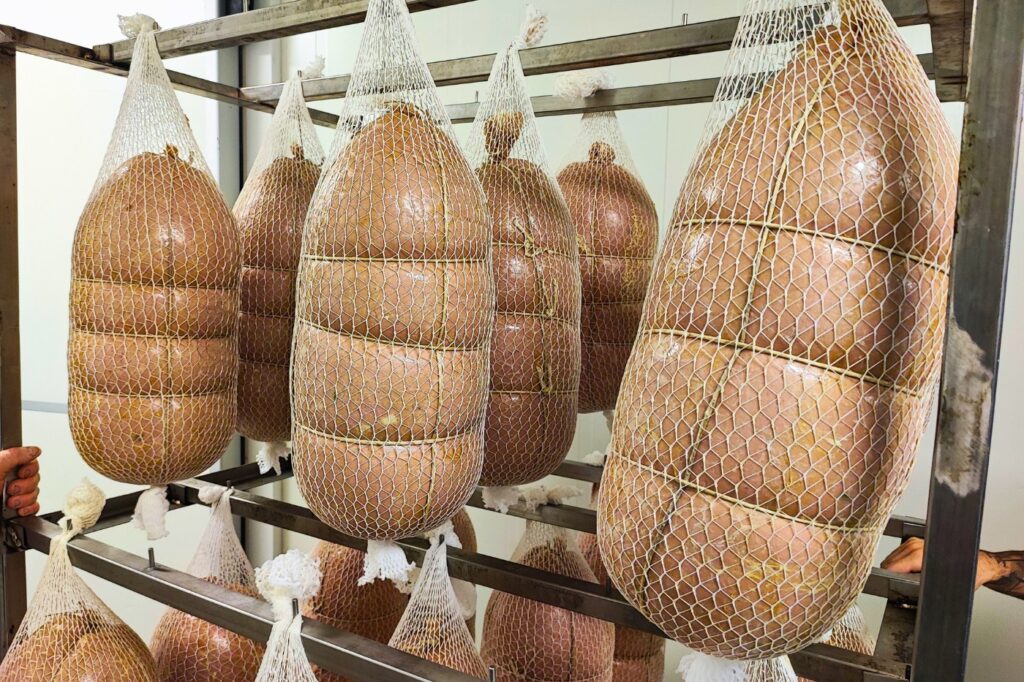
The cooking process is slow and gradual, carried out in dry-air ovens. This is where balance is struck: too much heat would ruin the structure, while too little would prevent the aromas from developing. The result is a velvety consistency — firm but not rubbery — with an elegant fragrance. It is a product of only apparent simplicity, built upon a refined technique.
The Real Thing Is Not What You Imagine
One of the most striking aspects, especially for international visitors, is the contrast between authentic Mortadella di Bologna and the products bearing its name outside Italy.
In the United States, for example, “bologna” has become a generic term for an inexpensive deli meat, often smoked, with a completely different texture and taste. The original version, on the other hand, is not smoked, not aggressive in flavor, and not overly salty. It has a natural sweetness and aromatic clarity that wins over anyone tasting it for the first time.
Even the pistachio, frequently considered a traditional ingredient, is actually a modern variation, absent from the historical recipes.
A Certified Excellence Protecting the Consumer
Today, Mortadella di Bologna IGP is protected by the European Union under the Protected Geographical Indication (PGI) mark, a recognition that guarantees its origin and adherence to strict production standards.
To obtain certification, the mortadella must be made from selected meats, follow codified processing techniques, and pass rigorous controls throughout the entire supply chain. Production is not limited exclusively to the city of Bologna, but extends to specific areas of Emilia-Romagna and neighboring regions historically tied to this tradition.
This regulatory system serves as a concrete guarantee of quality and authenticity, designed to protect consumers also from imitations that are especially widespread in international markets.
A Cultural Icon That Speaks to the World
Mortadella Bologna IGP is today one of Italy’s most exported cured meats. More than 160,000 tonnes are produced annually, with nearly half of that volume destined for foreign markets.
The United States remains a key market, alongside Germany and France. In recent years, interest has also grown in Asia, where the appeal of Made in Italy is increasingly linked to the authenticity of the products.
How to Eat It in Bologna
To truly understand mortadella, you have to think beyond the “quick sandwich.” In Bologna, it is served thinly sliced, often with the slicer set to its thinnest setting. The slice should almost fold on itself and melt in your mouth. It is paired with simple bread or warm crescentine, which bring out its softness.
And then there is the wine: a glass of Pignoletto, fresh and lightly aromatic, is the most natural pairing for mortadella.
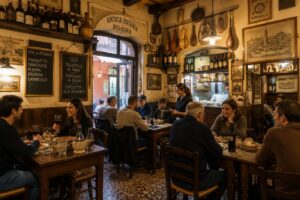
Mortadella is one of those products that tells the story of the city’s culinary soul, its everyday habits, its craftsmanship and method. Enjoy it in a traditional bottega, watch it being sliced, catch its aroma, and listen to the stories of those who make it.