
What to Do in Bologna: 18 Best Things to See, Eat and Experience
From UNESCO-listed porticoes and medieval towers to historic markets, traditional osterie and local food traditions: discover the best things to do in Bologna and experience the city beyond the usual tourist attractions
Those planning to visit Bologna often begin by searching for the city’s main attractions, only to discover that its greatest appeal lies in something more: its extraordinary food culture. Bologna is famous around the world for specialties such as tortellini, tagliatelle al ragù, mortadella and Parmigiano Reggiano, earning it the nickname “La Grassa” (The Fat One).
Yet Bologna is far more than a food destination. Visitors quickly fall in love with its endless porticoes, historic shops, lively piazzas and the atmosphere of a city where medieval history, university life and local traditions coexist naturally. This is not a place to rush through in a few hours. To truly appreciate Bologna, you need time to wander, observe and experience everyday life.
What to Do in Bologna: 18 Experiences Spanning Culture, Food and Traditions
While many travel guides present Bologna as a convenient day trip, the city deserves much more than a brief visit. To understand its identity, it is worth exploring not only the major landmarks but also the places where history, gastronomy and local culture have intertwined for centuries.
If you are looking for the best things to do in Bologna, these 18 experiences will help you discover both its famous attractions and its lesser-known side.
Walk Beneath the UNESCO World Heritage Porticoes
No experience captures the spirit of Bologna better than its porticoes. With more than 62 kilometres of covered walkways, they form one of the most remarkable urban landscapes in Europe and have been recognised as a UNESCO World Heritage Site since 2021.
Their arches tell a story spanning nearly a thousand years, leading visitors past medieval palaces, historic shops, hidden courtyards and unexpected views often overlooked by hurried travellers. For many visitors, walking beneath the porticoes is one of the most memorable things to do in Bologna.
Visit Piazza Maggiore and the Fountain of Neptune
For centuries, Piazza Maggiore has been the social and civic heart of Bologna. Overlooking the square are some of the city’s most important historic buildings, including Palazzo d’Accursio, Palazzo del Podestà, Palazzo dei Notai and the Basilica of San Petronio.
Take a few moments to sit on the steps and watch daily life unfold. Students, residents and visitors cross the square throughout the day, while street performers often contribute to its lively atmosphere.
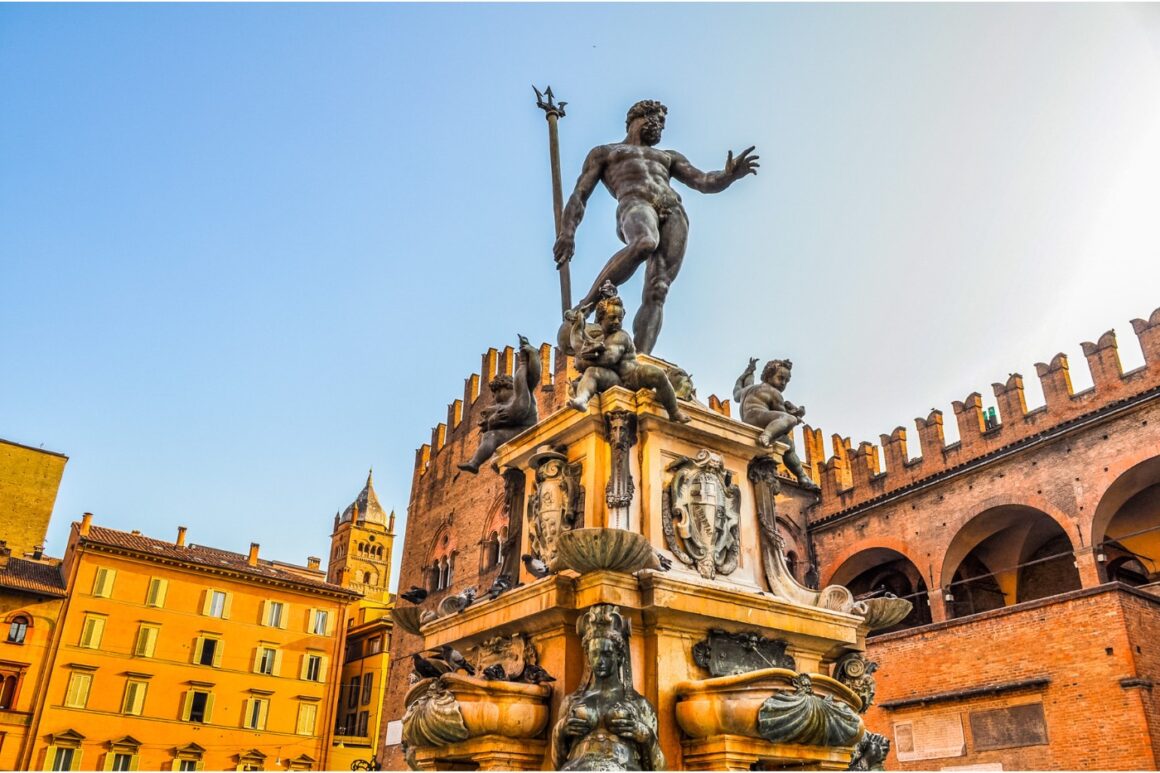
Just a short walk away stands the Fountain of Neptune, one of Bologna’s most photographed monuments. Created in the 16th century from a design by Giambologna, it remains one of the defining symbols of Renaissance Bologna and an essential stop when exploring the historic center.
Step Inside the Basilica of San Petronio
Ranked among the largest churches in Europe, the Basilica of San Petronio houses remarkable works of art, historic chapels and one of the city’s most fascinating scientific treasures: Giovanni Domenico Cassini’s meridian line, one of the longest in the world.
Its unfinished façade has become one of Bologna’s most distinctive landmarks and a symbol of the city’s complex history.
Admire the Two Towers
The Asinelli and Garisenda towers are among the most recognizable symbols of medieval Bologna. During the Middle Ages, dozens of noble families built towers throughout the city as expressions of wealth and influence. Today, the Two Towers remain the most visible reminder of that prosperous period.
Although restoration work currently prevents visitors from climbing them, they remain one of the city’s most iconic sights and a must-see for anyone visiting Bologna.
Explore the Quadrilatero
Just a few steps from Piazza Maggiore lies the Quadrilatero, Bologna’s ancient market district and one of the most fascinating areas of the historic center.
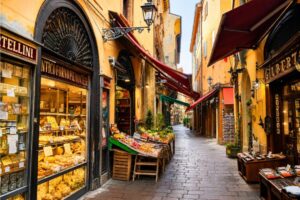
Among narrow alleys, food stalls, delicatessens and centuries-old artisan botteghe, visitors can experience the city’s enduring connection with its culinary heritage. It is one of the best places to experience everyday local life, discover authentic Bolognese specialties and understand why Bologna is considered one of Italy’s great food capitals.
If you wish to bring local products home, many shops can arrange international shipping.
Discover the Historic Shops
Bologna preserves an extraordinary heritage of artisanal and commercial traditions. Fresh pasta shops, traditional drogherie, bakeries and family-run workshops continue to play an important role in daily life.
Many of these businesses have been passed down through generations and offer visitors a glimpse into traditions that have shaped the city’s identity for centuries.
Taste Authentic Bolognese Cuisine
No visit to Bologna would be complete without exploring its cuisine. Beyond famous dishes such as tortellini and tagliatelle al ragù, visitors should also seek out local favourites including gramigna with sausage, a traditional local pasta dish, friggione (a slow-cooked onion and tomato specialty), crescentine, bollito misto and cotoletta alla bolognese.
Each dish reflects a different chapter of the region’s history and remains an important part of local culture. For food lovers, tasting traditional Bolognese cuisine is undoubtedly one of the best things to do in Bologna.
Stop at a Historic Osteria
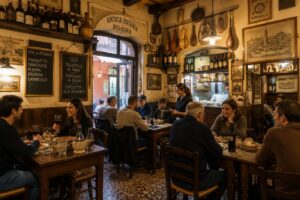
To understand Bologna’s food culture, spending time in a traditional osteria (local taverns) is essential.
For centuries these establishments have served as places of conviviality, discussion and social life, welcoming students, workers, merchants and intellectuals. Today they continue to offer an authentic glimpse into the city’s character and hospitality.
Visit the Mercato delle Erbe
Less touristy than the Quadrilatero but beloved by locals, the Mercato delle Erbe provides a genuine insight into everyday life in Bologna.
Its stalls display fresh fruit, vegetables, fish, meat and regional specialties, showcasing the richness of Emilia-Romagna’s food heritage. The market also features numerous eateries where visitors can enjoy lunch, dinner, a quick snack or a traditional aperitivo.
For travellers seeking authentic local experiences rather than tourist attractions, Mercato delle Erbe is one of the most rewarding places to visit in Bologna.
Walk Up to the Archiginnasio
Originally the seat of the University of Bologna, the Archiginnasio is one of the city’s most fascinating historic landmarks. Its courtyards, the coats of arms left by students from across Europe, and the famous Anatomical Theatre bear witness to the central role Bologna has played in the history of higher education and Western culture.
For visitors interested in history, art and academia, the Archiginnasio remains one of the most important places to see in Bologna.
Visit the City’s Most Interesting Museums
Bologna offers a wealth of opportunities for lovers of art, archaeology and motorsports. The Civic Archaeological Museum preserves remarkable artefacts from the Etruscan and Roman periods, while MAMbo showcases modern and contemporary art through an extensive collection and temporary exhibitions.
Motorsport enthusiasts should not miss the Ducati Museum in Borgo Panigale, where visitors can discover the history of one of Italy’s most iconic motorcycle manufacturers and an important symbol of Emilia-Romagna’s industrial heritage.
Whether your interests range from ancient civilizations to contemporary art or Italian engineering, Bologna’s museums provide some of the city’s most rewarding cultural experiences.
Reach the Sanctuary of San Luca
Perched atop the Colle della Guardia, the Sanctuary of the Madonna di San Luca dominates Bologna’s skyline and is one of the city’s most beloved landmarks.
The sanctuary can be reached on foot by following the world’s longest portico, which stretches for almost four kilometres and connects the historic center to the hilltop church. The walk itself is considered one of the best things to do in Bologna, offering a unique combination of history, architecture and panoramic views.
For photography enthusiasts, San Luca provides one of the finest viewpoints in the city. On clear days, visitors can admire Bologna’s terracotta rooftops, the surrounding countryside and the first foothills of the Apennines.
If possible, plan your visit for late afternoon. As the sun begins to set, the rooftops of the historic center take on warm golden hues, creating one of the most photographed views in Bologna.
Search for the Seven Secrets of Bologna
Hidden windows, mysterious inscriptions, optical illusions and local legends: the so-called “Seven Secrets of Bologna” offer an entertaining way to explore the city from a different perspective.
For travellers looking for unusual things to do in Bologna, these curious stories reveal a lesser-known side of the city that many visitors overlook.
Visit Santo Stefano
Known also as the Complex of the Seven Churches, Santo Stefano is one of Bologna’s most atmospheric and historically significant sites.
Its cobbled square, elegant architecture and interconnected religious buildings create a unique setting that reflects centuries of religious, artistic and urban development.
Beneath the surrounding porticoes, visitors will also find traditional cafés, wine bars and restaurants, making the area an ideal stop during a day spent exploring the historic center.
Join a Cooking Class
Learning how to prepare tortellini or tagliatelle alongside local experts is one of the most authentic ways to experience Bolognese culture.
A cooking class offers far more than a recipe. It provides insight into the techniques, traditions and family stories that have shaped Emilia-Romagna’s culinary identity for generations.
For many international visitors, a pasta-making class is among the most memorable things to do in Bologna and a perfect way to bring a piece of local culture home.
If you would like to enjoy this experience, Bologna Food Experience can recommend carefully selected cooking classes and workshops.
Take a Food Tour
Among the most popular activities for international visitors is a guided food tour.
Led by local experts, these experiences take participants through historic markets, artisan food shops, traditional osterie and some of the city’s most iconic streets. Along the way, visitors learn not only what to eat, but also how local products and recipes became central elements of Bolognese identity.
A Bologna food tour combines gastronomy, history and local culture, making it one of the best ways to discover the city beyond its major attractions.
For those wishing to deepen their understanding of Bologna’s culinary heritage, a food tour often provides insights that would otherwise remain hidden from casual visitors.
Stroll Through Giardini Margherita
Located just outside the busiest areas of the historic center, Giardini Margherita is Bologna’s most popular urban park.
Opened in 1879 and inspired by English landscape gardens, it offers a peaceful setting for a leisurely walk, a picnic or a break from sightseeing.
With its small lakes, majestic trees and shaded pathways, the park attracts students, families and runners throughout the year and provides a glimpse into everyday life beyond the tourist areas.
Experience Bologna After Dark
As evening falls, Bologna reveals another side of its character. The piazzas fill with residents and visitors, wine bars and osterie become lively gathering places, and the illuminated porticoes create a distinctive atmosphere found nowhere else in Italy.
For those wondering what to do in Bologna at night, simply wandering through the historic center can be an experience in itself.
Enjoying a glass of wine from the Colli Bolognesi, sharing local specialties with friends or lingering beneath the porticoes are among the simplest and most authentic pleasures the city has to offer.
Bologna Deserves More Than a Brief Visit
Many visitors arrive in Bologna expecting to spend only a day, only to discover that the city merits a slower pace of exploration.
Few destinations manage to combine history, gastronomy, university traditions and everyday local life in such a natural and distinctive way.
For this reason, the question is not simply what to do in Bologna, but how to experience it.
And often, the answer lies in the simplest moments: walking beneath the UNESCO-listed porticoes, sharing a conversation in a traditional osteria, tasting handmade tortellini, enjoy a glass of Pignoletto or exploring a market that still preserves the atmosphere of centuries past.
Bologna is not merely a city to visit; it is a city to experience.
FAQ – Frequently Asked Questions
Is Bologna worth visiting?
Absolutely. Bologna is one of Italy’s most rewarding destinations, combining medieval architecture, UNESCO-listed porticoes, world-famous cuisine, vibrant university life and a rich cultural heritage. Unlike many Italian cities, it offers an authentic atmosphere where visitors can experience both major landmarks and everyday local life.
How many days are needed to visit Bologna?
Two to three days are ideal for exploring Bologna at a comfortable pace. This allows enough time to visit the main attractions, discover local food markets, enjoy traditional Bolognese cuisine, walk to San Luca and experience the city’s unique atmosphere beyond the most popular tourist sites.
Is 2 days enough in Bologna?
Yes. Two days are enough to see Bologna’s main highlights, including Piazza Maggiore, the Two Towers, the Quadrilatero, the Archiginnasio and the Sanctuary of San Luca. However, many visitors choose to stay longer to enjoy the city’s food culture and explore it at a more relaxed pace.
What to do in Bologna in one day?
If you only have one day in Bologna, start in Piazza Maggiore and visit the Basilica of San Petronio and the Fountain of Neptune. Continue to the Quadrilatero market district, admire the Two Towers, stroll beneath the UNESCO-listed porticoes and visit the Archiginnasio. End your day with dinner in a traditional osteria and a walk through the illuminated historic center.
What is Bologna famous for?
Bologna is famous for its food culture, medieval porticoes, historic university and well-preserved city center. It is the birthplace of iconic specialties such as tortellini, tagliatelle al ragù and mortadella, and is often considered one of Italy’s leading gastronomic destinations.
What not to miss in Bologna?
The highlights of Bologna include Piazza Maggiore, the Basilica of San Petronio, the UNESCO-listed porticoes, the Two Towers, the Quadrilatero market district, the Archiginnasio, Santo Stefano and the Sanctuary of San Luca. Food lovers should also explore the city’s historic markets and traditional osterie.
Is Bologna a walkable city?
Yes. Bologna is one of the most walkable cities in Italy. The historic center is compact, most attractions are within walking distance and the extensive network of porticoes provides shelter from both sun and rain throughout the year.
What to do in Bologna at night?
In the evening, Bologna’s historic center comes alive with locals and visitors. Traditional osterie, wine bars, restaurants and lively piazzas create a welcoming atmosphere. Walking beneath the illuminated porticoes, enjoying local food and tasting wines from the Colli Bolognesi are among the most enjoyable nighttime experiences in the city.
Is Bologna family-friendly?
Yes. Bologna is well suited to families thanks to its pedestrian-friendly historic center, extensive porticoes, parks and museums. Attractions such as Piazza Maggiore, the Sanctuary of San Luca, Giardini Margherita and many cultural sites can be enjoyed by both adults and children.