
The Bolognese Salsamentari Platter: The History and Products of a Gastronomic Symbol
Mortadella, salame rosa, crescentine, friggione and much more: a journey through the platter that preserves the gastronomic soul of Bologna and instantly creates a festive atmosphere
When we think of the Bolognese table, one of the most common images is certainly a large board of cured meats and cheeses accompanied by tigelle and crescentine. This is no mere appetizer; in Bologna, the tagliere is a narrative of the region and its history: a rural memory built on craftsmanship, shared labor and conviviality.
The so-called “Tagliere dei Salsamentari” (the official name of this charcuterie board) is so deeply tied to Bologna’s gastronomic identity that it has received the De.Co. (Municipal Designation of Origin) seal of approval, recognized by the Municipality of Bologna.
Behind this name lies a set of precise production standards promoted by the Mutua Salsamentari, a historic city institution tied to the local “norcina” culture (the art of pork butchery and conservation) and gastronomy. The goal is to promote products authentically rooted in the Bolognese metropolitan area and, more broadly, to the culinary heritage of Emilia-Romagna.
This is not merely a random assortment of cold cuts and cheeses, but a coherent ensemble of flavors that narrates centuries of local food history.
Who were the Salsamentari
To understand the meaning of this platter, one must look back in time to when Bologna was one of the most important cities for the trade of salt and preserved meats. The “salsamentari” were the artisans specialized in the processing, the preservation and sale of cured meats and salt-cured products.
Salt, already a precious commodity in medieval times, was essential for food preservation before the advent of refrigeration. Thanks to its strategic trading position and the “Salt Port” connected to the city’s waterways, Bologna became a major center for these crafts.
This gave rise to a gastronomic culture built around cured meats, preserves, slow-cooked preparations, and long-lasting products, many of which still appear on the traditional platters served in the city’s osterie today.
What is the “Tagliere dei Salsamentari De.Co.”
The De.Co. recognition obtained in 2023 transformed the Tagliere dei Salsamentari into a true identity symbol of Bolognese cuisine.
The official production guidelines (disciplinare) establish that at least 70% of the products on the platter must originate from the Bologna metropolitan area or have a historically documented connection to it. The remaining portion may include other outstanding products from the from Emilia-Romagna region, provided they remain consistent with local gastronomic tradition.
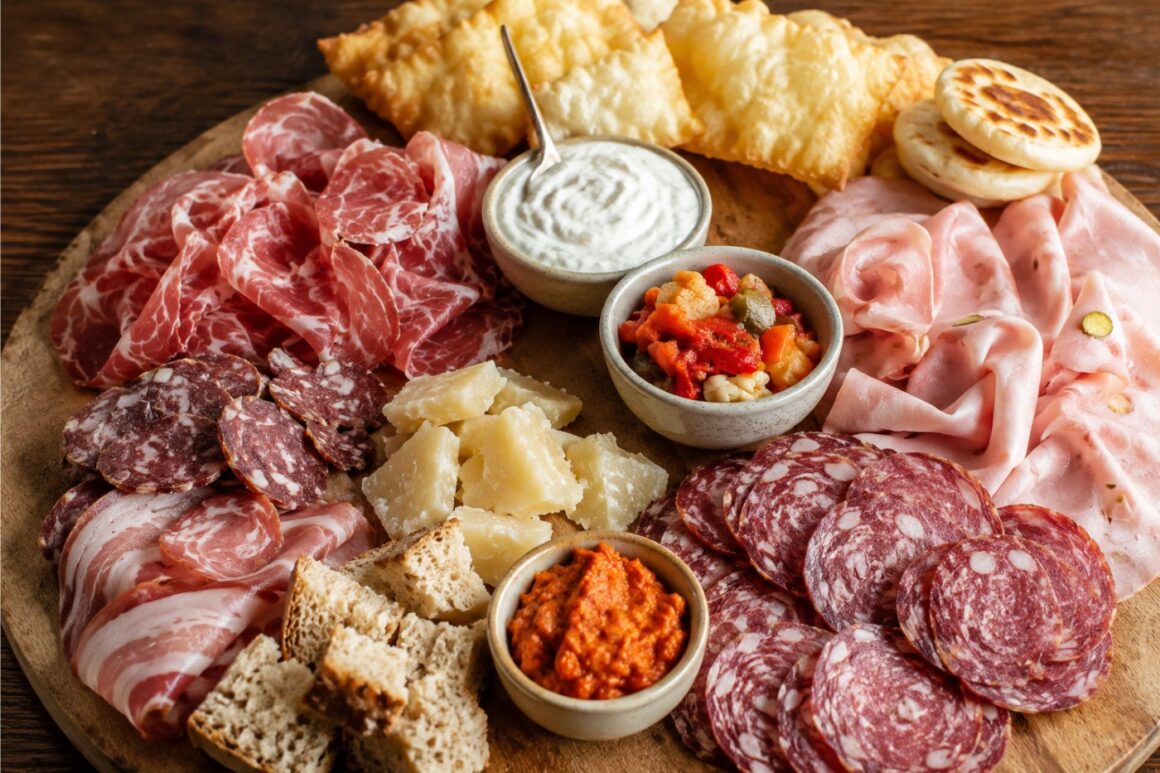
The indispensable and non-negotiable centerpiece is Mortadella Bologna PGI (IGP), the undisputed “queen” of the Bolognese platter. Around it revolve historic cured meats, cheeses, traditional preparations and baked goods that may vary according to the season.
The Signature Products of the Bolognese Platter
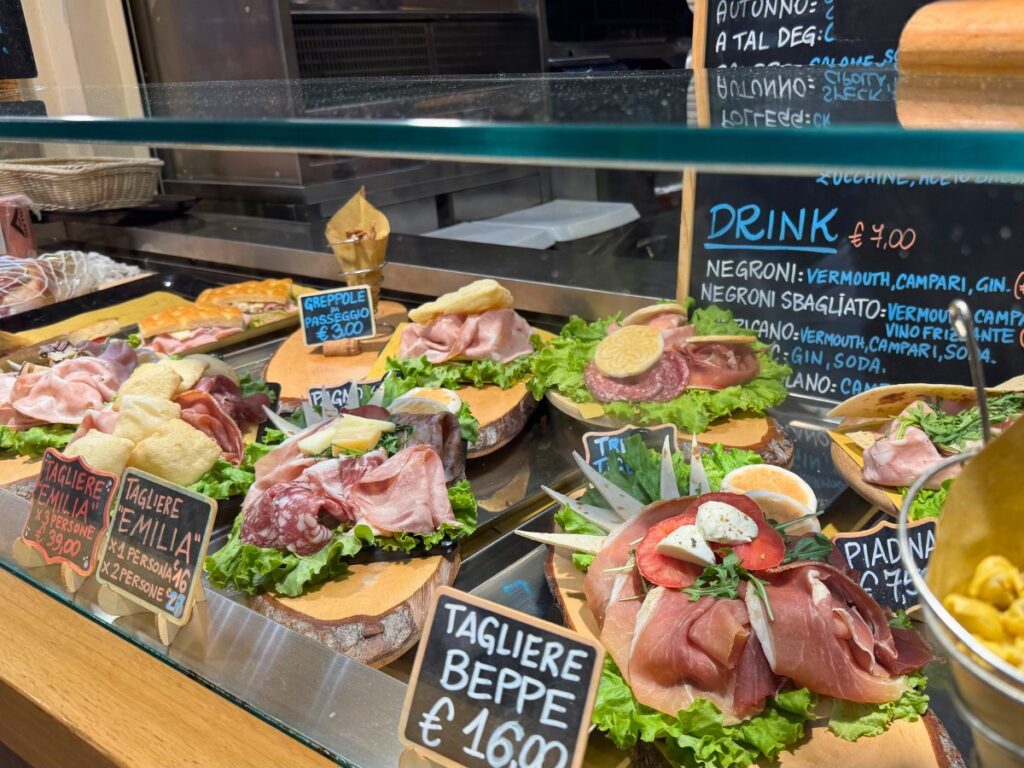
The composition may vary from one venue to another, but certain products are however considered true classics of the tradition.
Among the cured meats are historic specialties such as salame rosa, coppa di testa (brawn), pancetta arrotolata (rolled pancetta), ciccioli campagnoli (fried pork cracklings), salame gentile, passita nostrana, porchetta, bondiola and cotechino. These are preparations that use every part of the pig “from the nose to the tail”, and reflect Emilia’s rural heritage.
Alongside the cured meats are iconic local cheeses such as Parmigiano Reggiano PDO, squacquerone, pecorino from the Bolognese hills, mixed caciotte, and goat cheeses from the Apennines.
The platter is further enriched by traditional gastronomic preparations such as: friggione (onion and tomato dip), pickled vegetables (giardiniera), mortadella mousse, salsa verde and the classic spread pesto for the tigelle.
Everything is accompanied by traditional Bolognese and Emilian baked specialties such as crescente, crescentine and tigelle.
A Platter That Changes with the Seasons
One of the most interesting aspects of the Tagliere dei Salsamentari is its strong connection to seasonality, an element often overlooked when discussing cured meats and preserves.
During spring and summer, products such as salame gentile, porchetta, and friggione prepared with ripe tomatoes and summer onions become more prominent. Even the giardiniere follow the rhythms of the vegetable gardens of the Emilian plains.
With the arrival of autumn and winter, traditional cold-season specialties begin to appear: coppa di testa, ciccioli, cotechino, and bondiola, rich and hearty products rooted in the traditional home-based processing of pork.
This connection to the agricultural calendar ensures the platter remains a living tradition rather than a standardized formula.
Where to Taste the Tagliere dei Salsamentari in Bologna
Today, several local spots in Bologna display the official Mutua Salsamentari seal, which guarantees adherence to strict production standards and the quality of the ingredients used.
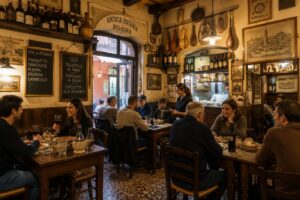
These locations are primarily historic taverns (osterie), gourmet food shops (botteghe) and wine bars (enoteche) that focus on promoting local products and rediscovering the city’s traditions.
For those visiting to Bologna, the Tagliere dei Salsamentari offers one of the most authentic ways to experience local cuisine beyond the usual tortellini or ragù. It is a gastronomic journey that introduces diners to ingredients, artisanal techniques and preparations often unfamiliar to the wider international public.
Behind every slice of mortadella, every crescentina, or spoonful of friggione lie ancient crafts, family rituals, and knowledge passed down through generations. The De.Co. certification serves not only to list specific products but to preserve the city’s culinary identity and protect consumers.